Witnessing the Celestial Ballet: The Enduring Allure of a Total Lunar Eclipse
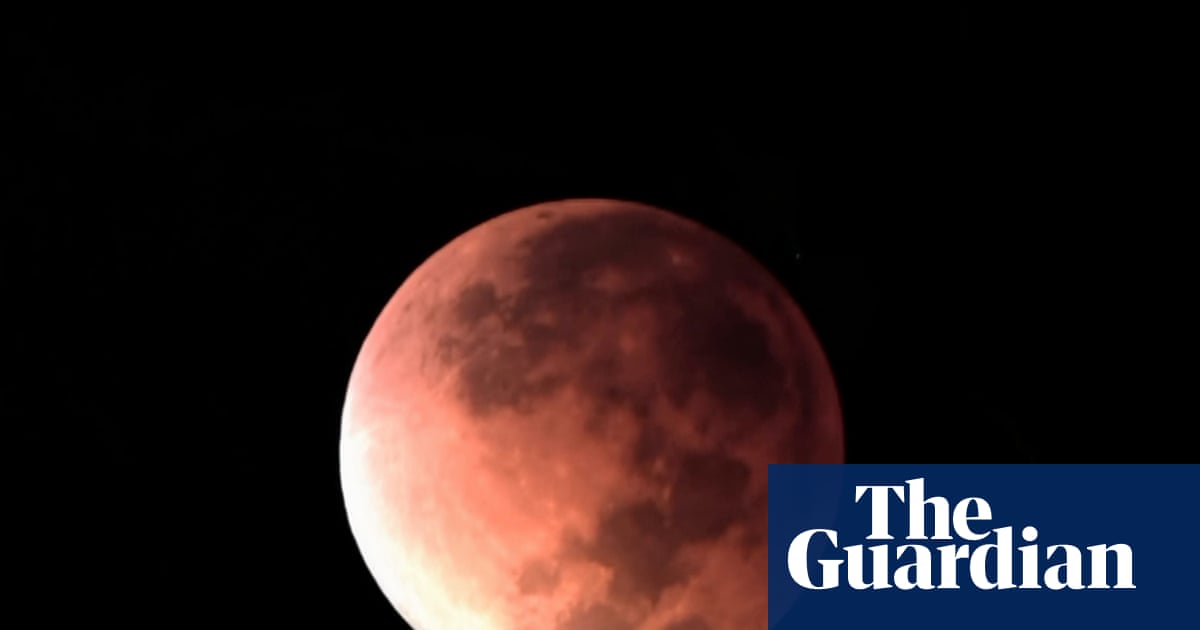
There are few celestial phenomena that captivate the human imagination quite like a total lunar eclipse, commonly known as a Blood Moon. This dramatic spectacle transforms our familiar silver companion into a deep, fiery orb, painting the night sky with hues of crimson and orange. While the event itself unfolds over several hours, capturing its entire majestic progression requires a special kind of artistry and technique: the timelapse. A stunning Watch Rare Blood Moon Timelapse Over California Skyline offers a condensed, breathtaking journey through this astronomical marvel, compressing hours of slow, deliberate change into minutes of visual poetry. The resulting rare blood moon video isn't just a recording; it's an experience, a portal to witness the cosmos in an accelerated ballet.
But what exactly makes a Blood Moon so unique, and why does its appearance in a timelapse format elicit such widespread awe? It begins with the science. A Blood Moon occurs during a total lunar eclipse when the Earth passes directly between the Sun and the Moon, casting a shadow that completely engulfs our satellite. Unlike a solar eclipse, which briefly plunges parts of Earth into darkness, a lunar eclipse is safe to view with the naked eye and offers a protracted display.
The distinctive reddish hue, from which the "Blood Moon" derives its name, isn't some mystical transformation but a trick of physics. As sunlight travels through Earth's atmosphere, shorter-wavelength blue light is scattered away, which is why our sky appears blue. The longer-wavelength red and orange light, however, bends around the Earth and reaches the Moon's surface. This light then reflects back to our eyes, making the Moon appear to glow with a haunting, coppery-red light. The intensity of this red can vary depending on factors like dust, clouds, and volcanic ash in Earth's atmosphere at the time, making each Blood Moon subtly different and equally mesmerizing.
The Magic of Timelapse: Capturing a Blood Moon's Journey
While observing a total lunar eclipse in real-time is a profound experience, its gradual nature can sometimes make it challenging to fully appreciate the transformation. This is where the power of a timelapse truly shines. A timelapse video compresses an extended period of time into a short, dynamic clip, revealing changes that are often too slow to perceive with the naked eye.
For a Blood Moon, timelapse photography becomes an invaluable tool. Imagine watching the moon slowly transition from a brilliant full sphere, gradually dimming as Earth's penumbral shadow begins its subtle encroachment. Then, as the umbral shadow takes hold, you see the dramatic shift from silver to a deepening, rusty red. The timelapse allows you to witness the entire arc of this celestial phenomenon, from the initial partial eclipse, through the stunning totality, and finally, the slow return to a bright full moon. It’s like watching a flower bloom in fast-forward, but on a cosmic scale.
Beyond the moon itself, a well-executed timelapse can also capture the subtle dance of the sky around it. Stars might appear to streak across the frame, city lights twinkle and change, and the ambient light of the night might shift, all adding layers of context and beauty to the central event. A high-quality rare blood moon video in timelapse format provides an incredible narrative, telling the story of the eclipse from start to finish with an urgency and drama that real-time viewing, while profound, cannot match. It’s a powerful way to relive or share the wonder of these infrequent events, allowing viewers to grasp the full grandeur of the moon's transformation in just a few captivating moments.
Why California's Skyline? The Perfect Backdrop for a Rare Blood Moon Video
The beauty of a Blood Moon is universal, but its visual impact can be profoundly enhanced by its surroundings. When combined with an iconic cityscape, such as the sprawling urban landscapes of California, the result is a breathtaking juxtaposition of the natural and the man-made. The references highlight that notable blood moon timelapses have been captured "over a city skyline over California," suggesting a perfect marriage of celestial spectacle and terrestrial grandeur. For a prime example of this stunning phenomenon, check out this Rare Blood Moon Video: Witness California's Skyline Eclipse.
Imagine the deep red orb of the moon slowly ascending or descending over a horizon punctuated by the glittering lights of a bustling city. The sharp angles of skyscrapers, the gentle curve of bridges, or the distant glow of metropolitan life provide a powerful counterpoint to the organic, ethereal presence of the eclipsed moon. This contrast amplifies the visual drama: the ancient, silent cosmic event unfolding above the vibrant, noisy rhythm of modern human existence.
California, with its diverse geography ranging from mountain ranges to expansive coastlines and iconic cities like Los Angeles and San Francisco, offers countless vantage points for photographers and videographers aiming to capture such a scene. The clear, often dry air in many parts of the state can also contribute to crisp, unobstructed views, making it an ideal location for astrophotography. A rare blood moon video shot against such a backdrop doesn't just showcase an eclipse; it tells a larger story about humanity's place in the universe, gazing up from our constructed world at the timeless wonders above. It’s a testament to the skill of the videographer to frame such an expansive view, balancing the micro-details of the urban sprawl with the macro-drama of the lunar event.
Tips for Experiencing (and Capturing) the Next Lunar Spectacle
Inspired by these stunning timelapses, you might be wondering how you can best experience, or even capture, the next Blood Moon. While a total lunar eclipse is rarer than a partial one, they happen regularly enough for enthusiasts to plan ahead. The key to any successful astronomical observation or capture is preparation.
For the Casual Observer:
- Check Your Local Times: Consult reliable astronomy websites (like NASA, Time and Date, or local observatories) for the exact dates and times of upcoming total lunar eclipses visible from your location. Pay attention to the start and end of totality.
- Find a Dark Spot: While a Blood Moon is bright enough to be seen from urban areas, getting away from light pollution will significantly enhance the view, allowing you to see the moon's subtle colors more clearly and potentially catch more stars.
- Look Up! No special equipment is needed to view a lunar eclipse. Your eyes are perfectly capable. However, a pair of binoculars or a small telescope will offer a magnified, detailed view of the lunar surface and its stunning red coloration.
- Be Patient: The entire process takes several hours. Enjoy the slow transformation, perhaps with a warm drink and good company.
For Aspiring Astrophotographers and Videographers:
- Equipment Essentials:
- Sturdy Tripod: Absolutely crucial for long exposures and timelapse stability.
- DSLR or Mirrorless Camera: Manual controls for aperture, shutter speed, and ISO are essential.
- Lenses: A wide-angle lens (14-24mm) is great for capturing the moon within a landscape or skyline. A telephoto lens (200mm+) will allow for more detailed close-ups of the moon itself.
- Intervalometer: This device (often built into modern cameras or an external accessory) automates taking photos at set intervals, which is vital for timelapse.
- Extra Batteries: Long exposures and continuous shooting drain batteries quickly.
- Planning is Key:
- Location Scouting: Find a spot with a clear view of where the moon will be during the eclipse. Use apps like PhotoPills or Stellarium to predict the moon's path relative to your chosen skyline or foreground.
- Weather Check: Clear skies are non-negotiable. Have a backup plan if clouds roll in.
- Practice: Familiarize yourself with your gear and timelapse settings beforehand, especially in the dark.
- Camera Settings (Starting Points):
- ISO: Start around 400-800, adjust based on light conditions. During totality, you might need to go higher (1600-3200) to capture the faint red glow.
- Aperture: Wide open (f/2.8 - f/4) to gather more light.
- Shutter Speed: This is where timelapse shines. For the bright full moon, fast shutter speeds (1/100s or faster). As the eclipse progresses and the moon dims, you'll need longer exposures (several seconds during totality). The challenge is balancing moon exposure with ambient sky and foreground exposure for a composite look, or adjusting settings dynamically if focusing only on the moon.
- White Balance: Set to Kelvin (around 3200-4000K) or auto and fine-tune in post-processing.
- Shoot in RAW: This provides the most flexibility for editing later.
- Post-Processing: Editing individual frames and then stitching them into a video using software like Adobe Lightroom, Photoshop, or specialized timelapse software is where the magic truly comes alive. This is where you can enhance the reds, balance exposure, and create that mesmerizing flow seen in any exceptional rare blood moon video.
Conclusion
The phenomenon of a total lunar eclipse, or Blood Moon, remains one of the universe's most accessible yet awe-inspiring spectacles. When distilled into a compelling timelapse video, especially against the dramatic backdrop of a city skyline, its grandeur is amplified, allowing us to witness the moon's slow, mystical transformation in a dynamic, unforgettable way. These rare blood moon videos are more than just recordings; they are visual testaments to cosmic beauty, showcasing the delicate balance of light and shadow, and reminding us of the universe's profound ability to surprise and enchant. Whether you're an avid sky-gazer or an aspiring astrophotographer, preparing for and experiencing the next Blood Moon promises an encounter with the sublime, a moment where the heavens truly put on a show.